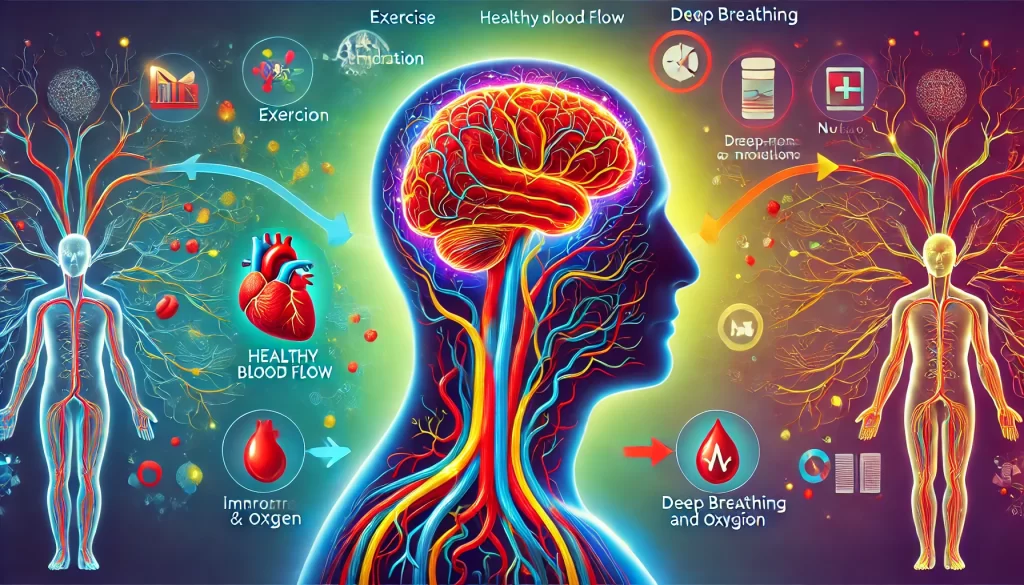

We often talk about improving mental clarity and emotional regulation, but how often do we consider the role of our circulatory system in achieving these goals? Blood flow is crucial for delivering oxygen and nutrients to every part of the body, especially the brain. In fact, healthy circulation is a key factor in maintaining optimal cognitive function and emotional stability.
How Blood Flow Impacts the Brain
The brain relies heavily on a steady supply of oxygen and glucose, both of which are delivered through blood flow. When circulation is optimal, brain cells receive the nutrients they need to perform complex tasks, process emotions, and regulate mood. However, when blood flow is compromised—due to stress, poor diet, or lack of physical activity—it can lead to brain fog, difficulty concentrating, and mood swings.
Mental Clarity and Emotional Regulation
Mental clarity refers to the ability to focus, think clearly, and process information without distraction. Emotional regulation, on the other hand, is the capacity to manage emotions in a healthy way. Both of these functions are closely tied to how well our brain receives oxygen-rich blood. Reduced blood flow to the brain can cause cognitive decline, heightened stress responses, and even feelings of anxiety or irritability.
Optimizing Blood Flow for Better Cognitive Performance
The good news is that there are several ways to enhance circulation and, in turn, improve both mental clarity and emotional regulation:
- Physical Activity: Regular exercise is one of the best ways to boost circulation. Activities such as walking, yoga, or strength training encourage the heart to pump more blood, delivering essential oxygen and nutrients to the brain.
- Hydration: Dehydration can reduce blood volume and slow down circulation. Drinking enough water throughout the day ensures that your blood flows efficiently, helping to keep your mind sharp.
- Deep Breathing: Breathing exercises increase the oxygen level in your blood and improve circulation. Practices like diaphragmatic breathing or meditation not only calm the mind but also support better blood flow to the brain.
- Nutrition: Foods rich in antioxidants, such as berries, leafy greens, and nuts, support circulatory health. Omega-3 fatty acids, found in fish like salmon, are particularly beneficial for brain health and blood flow.
- Stress Reduction: Chronic stress constricts blood vessels and can lead to poor circulation. Incorporating stress-reduction techniques, such as mindfulness, meditation, or relaxation exercises, can improve blood flow and help regulate emotions.
By understanding how blood flow directly impacts brain function, we can take practical steps to support both our mental and emotional well-being. Better circulation means a clearer mind, more balanced emotions, and improved cognitive performance.