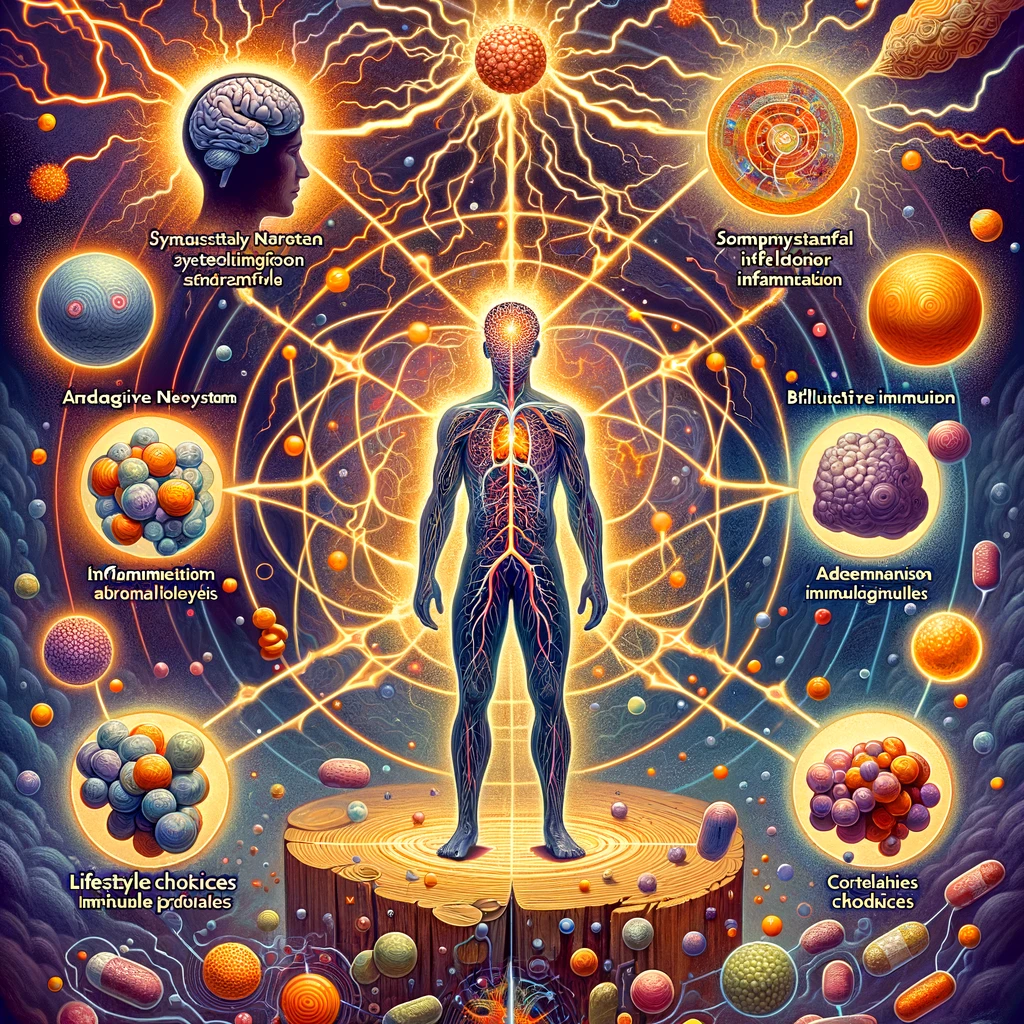

The Complex Dance Between Stress, Inflammation, and Metabolism 💃
In the dynamic world of wellness and life coaching, understanding the intricate connections between stress, inflammation, and metabolic pathways is crucial. It’s a narrative not just about the body’s immediate reactions but about the profound, long-term interplay that impacts overall health and well-being. This article aims to shed light on this vital connection, offering insights that can enhance the effectiveness of coaching strategies. 🌟
The Stress-Inflammation Link: More Than Skin Deep 🤔
Stress, a familiar adversary in our fast-paced lives, is often seen as a psychological challenge. However, its influence extends deep into the physiological realm, particularly in igniting the flames of inflammation. When an individual experiences stress, the body responds by activating the hypothalamic-pituitary-adrenal (HPA) axis, releasing a cascade of hormones including cortisol. While cortisol serves as an anti-inflammatory agent in short bursts, chronic stress leads to a perpetual state of HPA axis activation, disrupting the delicate balance of this hormone and paving the way for increased inflammation. 🔥
Sympathetic Nervous System: The Body’s Alarm System ⏰
Parallel to the HPA axis, stress stimulates the sympathetic nervous system (SNS), the architect of the “fight or flight” response. This activation results in the release of catecholamines like adrenaline, which can tweak immune cells to up their production of pro-inflammatory cytokines. These biochemical messengers then contribute to a state of chronic inflammation, subtly yet significantly impacting health. 🚨
Immune Response: A Double-Edged Sword 🗡️
Under chronic stress, the immune system’s behavior changes. Its normal regulation goes awry, tipping the scales towards a pro-inflammatory state. This shift isn’t just about the immune cells acting independently; it’s also a result of the disrupted communication channels within the body’s regulatory systems, such as the HPA axis and the SNS. 🛡️
Behavioral Pathways: The Indirect Route to Inflammation 👣
Stress often leads to lifestyle choices that inadvertently fan the flames of inflammation. Poor dietary habits, physical inactivity, smoking, and alcohol consumption – all can independently contribute to inflammation, exacerbating the direct effects of stress on the body. 🍔🚬
Metabolic Pathways: The Link Between Systems 🔗
Understanding the metabolic pathways connecting the nervous and immune systems is key for wellness coaches. These pathways are the conduits through which stress impacts our physiology. The body’s response to environmental stress and inflammation involves significant metabolic changes, affecting immune cells and the tissue environment. This interaction is central to the concept of ‘immunometabolism,’ highlighting how immune responses and metabolic states are interdependent. 🌿
Coaching Implications: Harnessing Metabolic Knowledge 📚
For wellness and life coaches, appreciating this metabolic interplay is pivotal. It allows for a holistic approach to stress management, emphasizing not just psychological strategies but also considering dietary interventions, exercise, and lifestyle modifications to mitigate the effects of chronic stress and inflammation. Understanding these pathways empowers coaches to guide their clients more effectively, helping them achieve a balanced and healthy life. 🧘♀️🍎
The Takeaway 📢
The dance between stress, inflammation, and metabolism is a complex but essential piece of the wellness puzzle. As we unravel this intricate web, the role of a wellness coach becomes increasingly vital in guiding individuals through the maze of lifestyle choices that impact this delicate balance. Embracing this knowledge can transform the coaching process, turning it into a powerful tool for fostering long-term health and well-being. 💪